

Earthwork Construction: Building Strong Foundations
From building foundations and road construction to water infrastructure, levees, and public parks, most major projects rely on one essential phase: earthwork. This critical process involves the excavation, grading, and movement of soil, rock, and other ground materials to properly prepare a site for construction or to complete its final form.
Successful earthwork demands strategic planning, expert coordination among stakeholders, and a thorough understanding of site-specific conditions. When executed poorly, it can lead to serious structural and environmental problems including cracked foundations, failed roadways, erosion, or flooding all of which carry high costs and safety risks.
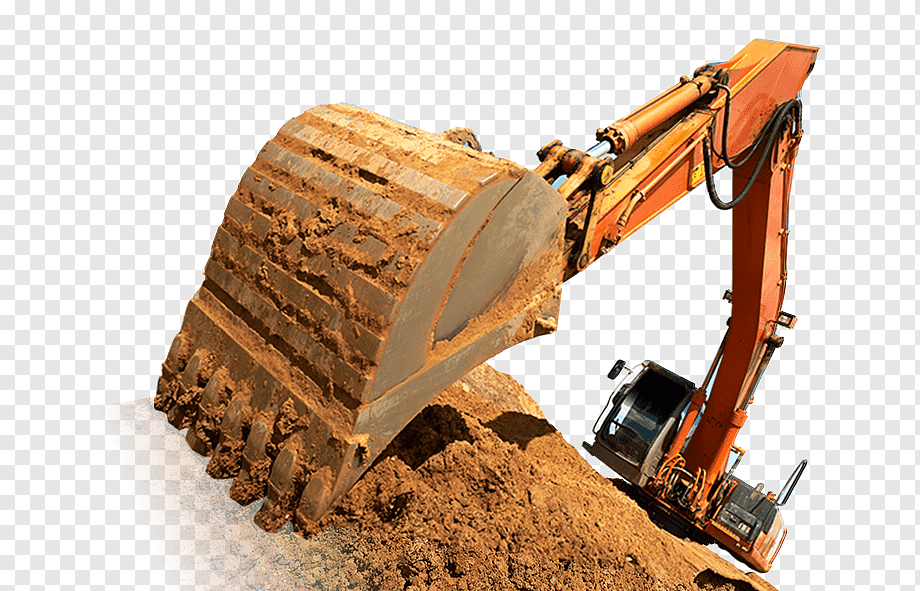
From excavation to backfilling, earthwork is often both the starting point and the final step in construction whether it’s a single-family home or a large-scale airport. This process, which involves moving, shaping, and stabilizing soil, rock, and other ground materials, is essential for preparing a site and ensuring its long-term durability against the elements.
Earthwork is a highly collaborative discipline. Geotechnical engineers begin by analyzing and classifying the soil to determine its strength, composition, and optimal use. Civil engineers then use this data to design grading, drainage systems, and foundation specifications. From there, specialized general contractors interpret these plans, assess on-site variables, and coordinate with the authority having jurisdiction (AHJ) to maintain regulatory compliance.
Each jurisdiction typically enforces specific permitting and compliance requirements for earthwork. These can vary widely depending on the environmental and geotechnical profile of the site including proximity to water bodies, urban infrastructure, or contaminated land — all of which may trigger special reviews or mitigation measures.
Contact us.
info@constructionworx.ca
(647)-968-2747